
Description
Lead time (mentioned in the listing above “add to cart” button) means time it takes to prepare this order. Product in stock does not mean its ready to send out, it means it can be prepared in the lead time mentioned.
About this Kit
Complete Kit: Everything you need is included—just add water and follow the simple instructions.
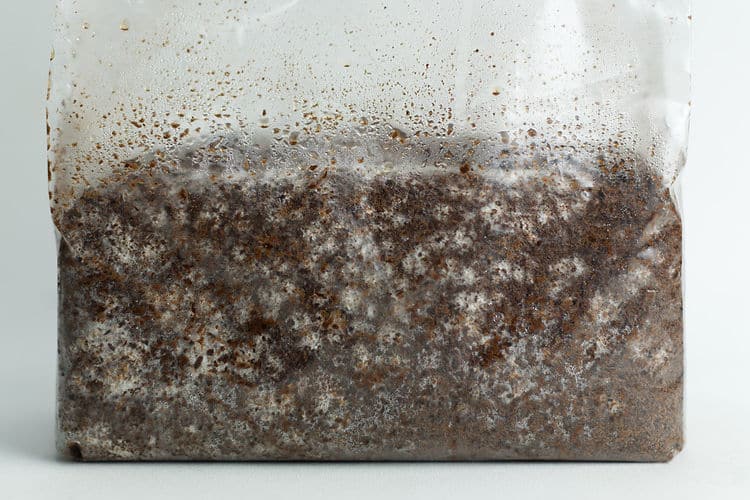
This kit uses a special Master’s Mix—a blend of sawdust, soy pellets, and water. It’s inoculated with about 300 grams of organic rye or millet grain spawn to give your mushrooms the best start.
We keep things simple and affordable by sending you a fresh, made-to-order bag, just like real mushroom farms use. No fancy boxes, no sitting in cold storage for weeks. This helps keep your cost down by $10; we pass that saving directly to you. We call these kits ‘almost ready to fruit’.
Humidity: Maintain high humidity during pinning and fruiting — about 85–95% RH. Use gentle misting or a humidifier/fruiting chamber to keep humidity steady.
shroomery.org
Light: Low to moderate indirect light (a consistent day/night cycle). Shimeji needs light for normal cap formation but not intense direct sun.
Air: Provide regular fresh-air exchange to prevent elongated stems and encourage tight caps — gentle airflow without strong drafts.
Storage: Unopened kits keep a few weeks in a cool, dark place; yield may reduce if stored too long.
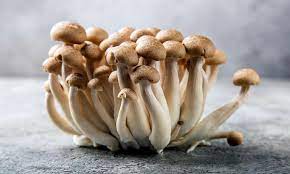
Brown Shimeji (Hypsizygus tessulatus) — Notes & Why it’s special
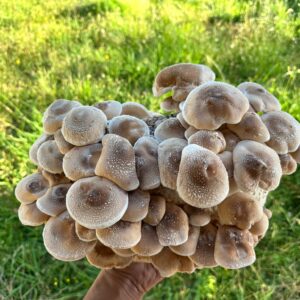
Brown Shimeji (also called Buna-shimeji or Beech Mushroom) forms attractive tight clusters of small, slightly nutty-flavoured caps and crunchy stems. It is naturally found on hardwoods (beech, oak, maple) and performs best on hardwood sawdust or supplemented sawdust substrates; growers often use sawdust mixed with bran or soybean hulls for higher yields. For outdoor log culture, inoculated hardwood logs (beech, oak, maple, birch) are ideal.
Shimeji has a pleasant umami and slightly nutty flavour; it holds texture well in stir-fries, soups, and sautés. It is usually cooked before eating as raw shimeji can be bitter.
Hypsizygus species have been studied for bioactive compounds with antioxidant and possible immunomodulatory activity, though culinary use is the most common reason it’s cultivated.
Step-by-step Instructions & Post-Harvest Care
IMPORTANT- Check the fruiting temperature when you buy a kit and ensure you can provide it with the temperature it needs (12–18°C for this template; shimeji often benefits from cooler pinning triggers).
Step 1 – Let It Grow (3 Weeks)
*Take the bag out of its packaging and remove the tape holding the folded bag.
*Stand it upright so the white filter patch is unrestricted on the top, this is where the mycelium in the bag breathes from. Do not cut the bag for fruiting yet.
Please keep it away from direct sunlight, windows, fans, AC, or a wardrobe.
Let it sit like this for 3 whole weeks from the inoculation date on the label.
💡 Tip for First-Timers: Shimeji spawn-run can be slower than fast-oysters; indoor sawdust blocks may take 5–10 weeks to fully colonise depending on spawn rate and supplement level. If your block is not fully white at week 5, that can be normal—wait until colonisation is advanced before triggering fruiting.
Need to Wait? If you’re not ready to start fruiting after the 3 weeks, you can store the bag in the fridge for up to a month. Do not store it in the fridge until the bag is fully colonised.
Step 2 – Time to Fruit
After colonisation is advanced, prepare the kit for fruiting — shimeji responds well to a cooler trigger and high humidity.
Follow these steps:
1. Cut / Expose: Make the recommended opening (per kit instructions) or expose the fruiting surface. For plug-inoculated logs, place the log in a shaded, humid spot to encourage natural pinning.
2. Humidity & Mist: Keep humidity around 85–95%. Mist gently 2–3 times daily or use a humidifier/fruiting chamber; avoid drowning the surface.
3. Harvest: Pins typically mature into harvestable mushrooms in 5–10 days; harvest clusters when caps open but before they flatten and lose texture. Multiple flushes are possible with good care.
Common Mistakes to avoid
Forcing fruiting too early: Triggering fruiting before colonisation is advanced increases contamination risk and reduces yields—be patient.
Incorrect substrate: Shimeji favors hardwood sawdust or supplemented sawdust. Using poor, low-nutrient substrates will dramatically reduce yield.
GroCycle
Humidity & FAE balance: Low humidity causes aborted pins; too little fresh air exchange leads to long stems and small caps. Keep humidity high but provide gentle fresh air exchange.
shroomery.org
What to do if pins form inside the bag:
Don’t worry. Just ignore the internal pins. Gently fold the top of the bag to push out excess air, cut a small “X” in the side of the bag (where you want the mushrooms to grow), and begin misting that spot daily. Mushrooms will start fruiting from that cut. The internal pins will eventually be aborted naturally, as they don’t have space to grow.
Checkout out our fine Misting Spray Bottle to produce tiny droplets and keep humidity high. The size of droplets formed can easily be evaporated , this constant evaporation signals mycelium to pin.
Want to Learn More?
This kit introduces you to Stage 3: Fruiting, the final step in mushroom growing.
To explore all three stages (including how mushrooms grow from spores to harvest), check out our
Educational Mushroom Growing Kit.
Checkout all the Mushroom Growing kits Available in Our Spray and grow 3 Kg range.
Could not fruit the bag, or was it contaminated? Send us a photo or call us, and we will help you resolve the issue.